"Listan" på TEGEN2 / “När allt kommer omkring tänker jag att det kanske finns stupor vi behöver hoppa utför först…"


“Listan” 
“Huvudsakliga ättestupor i
Sverige” och “Huvudsakliga fåglar i Sverige
-1”

Vägginstallation,
Hakan Akçura, 2013 

Foto: Hakan Akçura


När
allt kommer omkring tänker jag att det kanske finns stupor vi
behöver hoppa utför först för att kunna hälsa på varandra med
ögon som ler, är jag en konstnär som försöker öppna vägen för
det med dem jag möter med lätt hjärta och glädje.”
(Utdrag
ur ett långt reportage som publicerades i två delar från en
nyhetssajt 2013 mars: Sajten är populär bland muslim-demokrater i
Turkiet. Reportaget gjordes av journalisten Cihan Aktaş)

Genom
att ställa ut “Listan”, vill jag väcka liv i Ivar Lo-Johansson‘s argument som nämns i hans bok “ålderdom”
och som för första gången aktualiserar frågan: “Ättestupor
är ingen myt utan verklighet” eller åtminstone “Sannolikheten
att Ättestupor är en verklighet är ganska stor”.

Mina
efterforskningar under de tre senaste åren i ämnet har visat att
dessa platser finns på väldigt många ställen runtom i landet och
benämns dessutom i tidningar, rese-, naturböcker och en del
historieskrifter från det senaste decenniet som säte för kusliga
händelser och gamla riter. (Digitaliserade
svenska dagstidningar”
,
Projekt Runeberg) etc.)


Rödhaken på ättestupan som kallas Falkaberget i Örebro, Närke
(Hakan Akçura, akrylfärg på trä, 63,3 x 63,3 cm, 2013, Stockholm)
Foto: Hakan Akçura


Ända
från starten av efterforskningarna har jag mött ett och samma
motstånd från flera olika personer med varierande social och
politisk ställning, nämligen:”Men Hakan, vet du inte att man
redan har bevis för att ättestupor bara är en myt och egentligen
inte ägt rum?”. En intressant sak var att det inte gick att hitta
ett enda dokument som kan styrka detta kollektiva motstånds argument
genom att redogöra för en arkeologisk utgrävning som pekar ut
plats, när det ska ha gjorts och hur man har gått tillväga.

Och
förresten, känner ni till att just detta allmänna argument som kom
till stånd tack vare Birgitta Odén’s artikel från 1996 som
försäkrade alla om att ättestupor var endast en myt har faktiskt
tjänat till att ”skydda” dessa stupor.

Domherren på ättestupan som kallas Valhalla i Olofström, Bleking
 (Hakan Akçura, akrylfärg på trä, 63,3 x 63,3 cm, 2013, Stockholm)
Foto: Hakan Akçura


Jag har sett att Riksantikvarieämbetet har lagt ner mycket arbete och namngett dessa platser som “ättestupa”, “plats med tradition” och “minnesmärke”. Antalet som redovisas där är 50 st och klassas som “Riksintressen för kulturmiljövården”. Jag undrar förstås varför Riksantikvarieämbetet tolkar in eller ser så mycket mening i en “myt” och undrar vidare kring hur många som känner till detta; klassificieringen, meningsgivanden och skyddanden av dessa platser…

Foto: Hakan Akçura

Koltrasten på ättestupan som
kallas Ramberget i Göteborg, Västergötland
(Hakan Akçura, akrylfärg på trä, 63,3 x 63,3 cm, 2013, Stockholm)
Foto: Hakan Akçura

Som
resultat av mina efterforskningar visar det sig att de hittils
allmänt kända 10-15 ättestupor, i själva verken ett 90 tal, tills
nu och de ska få se dagsljus första gången i min utställning. Jag
är nästan säker på att jag skulle kunna hitta lika många till de
kommande 3 åren.

Å
andra sidan, om motsatsen till det jag tror skulle gälla, om
ättestupor bara var en myt, vore det inte ännu mera tragiskt? Att
ett sådant begrepp, som inbegriper ett grymt -och inte verkställ /
brott mot folkrätten har kunnat få grogrund, leva vidare, frodas i
fred och få allmänt acceptans och utbredning i samhället under
flera decennier i det här landet.


Sädesärlan på ättestupan som kallas
Alster i Karlstad, Värmland
(Hakan Akçura, akrylfärg på trä, 63,3 x 63,3 cm, 2013, Stockholm)
Foto: Hakan Akçura
Jag
hoppas att det kan bli starten på en meningsfull diskussion; det som
Ivar-Lo Johansson framförde för 70 år sedan i egenskap av
författare och forskare, som jag idag uttrycker som konstnär på
nytt.

Sammanfattningsvis
tänker jag att ättestupatraditionen är det äldsta och starkaste
inslaget i folksjälen, dess avtryck leder förjaktligen till en
känsla av brott, skam och kollektiv skuld.

Huvudsakliga ättestupor i Sverige
(Hakan Akçura, 2013, Stockholm)

Updatering:
Efter utställningen har jag hittat 35 ättestupor till, som har refererats i dåtid som verkliga ättestupor. Jag bestämde publicera hela ”Listan” med alla dokument av varenda ättestupa mellan oktober, 2013 – mars, 2014.

Senaste listan

Huvudsagliga ättestupor i Sverige

(R): Riksintressen för kulturmiljövården

Från utställningen 
(Foto: Hakan Akçura)

TEGEN2

Ja jag vill leva jag vill dö


Hakan Akçura 
Chun Lee Wang Gurt 
Kerstin Hansson
Peter Johansson 
Dorinel Marc
Gunilla Sköld Feiler
Paula Urbano

Vernissage – 17 maj (Norges nationaldag) 17 – 22
Artist talk – 6 juni (Sveriges nationaldag) 18 – 20


Foto: Hakan Akçura

Ja jag vill leva jag vill dö gör ett nedslag i existensen och identiteten mellan hägg och syrén.

Så, vad ska vi fira – om vi ska fira? Vad kvarstår när myterna spelat ut sin roll: historien, naturen, moderniteten, framstegen, folkhemmet. ”Behovet av en nationell identitet är existentiellt” anser Sveriges största morgontidning samtidigt som ”svenskheten” blivit alltmer ogripbar och undflyende i takt med globaliseringen.

Qaisar Mahmood – författaren bakom boken ”Jakten på svenskheten” anser t.ex. att Sverige måste bli tydligt med vad det innebär att vara svensk och skapa en inkluderande nationalism som inte bygger på hudfärg. Så, hur gör vi det och vad ska binda oss samman – som nation – och varför är det så viktigt? Identiteten bygger ju på så många olika delar bland många möjliga – i en ständig dialog och omvandling. 


Den drastiska titeln för utställningen Ja jag vill leva jag vill dö som hämtats ur Sveriges Nationalsång har och får därmed olika innebörder, som t.ex. olika krav på underkastelse, i relation till vem och vad som definierar svenskheten, samtidigt som Sverige lider brist på förmågan att göra sig nya självbilder.

Den 6 juni, kl 18 – 20 på TEGEN2 – på Nationaldagen (som blev helgdag 2005) kommer också ett samtal om dessa frågor hållas med de deltagande konstnärerna med utställningen som bakgrund.

Utställningen ingår i PROJEKTOR som med utgångspunkt från Platons grottliknelse reflekterar spänningsfältet mellan sken och verklighet och projektion och verklighet. Tidigare utställningar har fokuserat på Grottan, Föremålen och denna gång – Idéerna som kommit att spela stor roll för nationsbyggen, sverigebilder och identitetsproblematik. Projektet har fått stöd från Kulturförvaltningen.

Utställningen pågår t.o.m. 16 juni.

TEGEN2
öppettider: torsd-sönd 12-17, 

Bjurholmsg. 9b, Stockholm T-bana Skanstull
tel. 070-7161923 070-2855777
info@tegen2.se

Foto: Paula Urbano

ALLIANSEN: Är det en annan svensk flagga?

Kom och demonstrera/protestera med oss:
AVGÅ ALLA!


Kolla första versionen: 


REVA: Är det en annan svensk flagga?


Hakan Akçura / 2013, Stockholm

Det var väldigt fuktigt och mörkt. Jag var rädd. Jag skakade. Jag försökte vara lugn och det enda jag frågade pappa var ifall det var långt kvar tills vi var framme. Jag började förstå att mina föräldrar inte kände till något av sorgen jag bar på och inte ville veta något om mitt dolda förflutna. Jag började tro att mina känslor inte var viktiga för en enda människa.

En kloakarbetare kom med ägg till oss, han bar dem med tänderna. Han var tvungen att krypa för att nå oss.

Det sipprade vatten över väggarna.

16:30 biljettkontroll Gamla Stan.

Min lillebror var aldrig rädd.

Jag längtade efter att se min storebror eftersom jag trodde att han skulle kunna skydda mig. I hopp om att få syn på honom, tittade jag rutinmässigt ut genom ett nyckelhål när ingen såg mig.

Det senaste tipset vi har fått in kom kl 16.30. Kanske betyder det att Reva-poliserna fått ledigt idag (man kan ju hoppas!), men om inte: glöm inte bort oss i lördagsvimlet!

Vi sökte skydd i ett förråd, gömda i det allra innersta hörnet under en hög med cementsäckar. Jag lutade mig mot min lillasyster och kände hennes hjärta smattra.

Jag såg uppslagna dörrar, möbler i oordning, fjädrar rivna ur sängkläder, svävande i luften.

Hennes främsta bekymmer i livet var förutom hennes betyg hennes fräknar. Hon spenderade alla sina lunchpengar på exotiska krämer för att befria sitt ansikte från dem.

Nu var hon borta.

Polis vid T-bana Slussen Kl 19:00.

Till en början var jag mycket rädd, men senare vande jag mig vid det.

Vi blev förföljda till Boston av jägare från Georgia.

Min mor gav mig till en man från ”underjorden”. Det var för att jag var judisk, sa mannen.

Jag tog mina fyra små barn och flydde.

Jag hoppas på att få höra från dig igen.

Massor med poliser och några väktare i Rinkeby. Kl 23.00.

Folk tyckte synd om oss och en dam gav oss gåsbär.

Jag kommer aldrig glömma människorna – stönande, bortdomnade skuggor – de rörde sig sorgset, tvekande.

Det är en ohygglig känsla. Du vet, du är bland människor men du är som på en öde ö.

Total isolation, total ensamhet.

Varje gång jag försökte bryta tystnaden blev jag snabbt påmind av andra vilken tur jag hade, mer tur än de flesta.

Danuta och Maria skaffade falska ID-kort åt mig och min syster. Vi gömde oss nedsänka i vatten hela natten. När morgonen kom gömde sig också andra i vassen och jag hörde en vakt ropa: ”Jag ser er där; kom fram!”

De flesta lydde, men vi gömde oss i vattnet i ytterligare flera dagar.

Jag drog fram en resväska från under min säng och la henne i den och sa till henne: ”Du får inte gråta och inte prata. Du får inte säga ett enda ord eller ropa”. Hon hade rött hår, ett fräknigt ansikte och var alltid prydligt klädd i en svart skoluniform med en lysande vit krage. ”Om du gör ett enda ljud kommer de att ta dig och du kommer dö”.

Jag färdades på natten: låg lågt hela dagen… jag stannade inte en enda gång: så stor var min rädsla för att vara förföljd av slavägarnas jakthundar från Södern.

10 poliser söker igenom tåg på Medborgarplatsen. Kl 23.30.

Medan övervakaren åt kvällsmat tog jag av mig skon och slank ur kedjan och sprang. Jag sprang… jag hörde rop efter hundar att jaga mig med…

När jag tittade ut genom fönstret var bussar uppradade utanför porten.

Den natten stal jag en båt och lyckades ta mig ända till Ohiofloden… efter att ha tagit mig över den gömde jag mig på en bro som hade två våningar. Mina förföljare passerade rakt under mig och jag kunde höra varenda ord de sa.

24.00 Polis i Rinkeby, Gullmarsplan och Medborgarplatsen! De söker igenom tunnelbanetåg!

Cops in Rinkeby, Gullmarsplan and Medborgarplatsen! They are searching through subway trains!

Johannes Anyuru och Sara Westin

En dags utställning: Vilken tur! Himlen omfamnar oss!

Igår i Stockholm, på Attendos “idé- och innovationsmässa” har jag haft en fotoutställning.

Från mässan

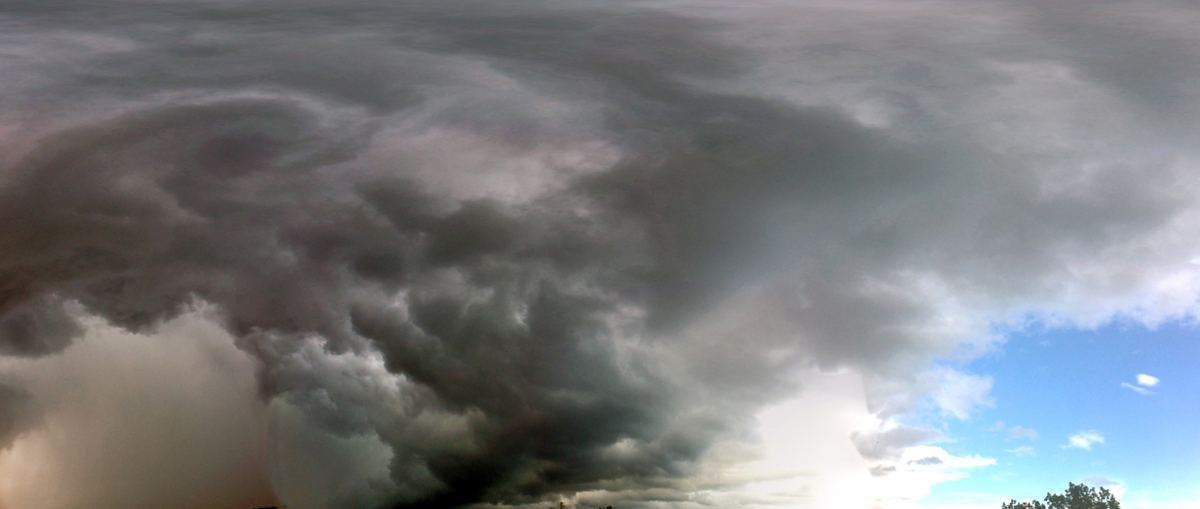
Utställningens titel var “Vilken tur! Himlen omfamnar oss!” och underrubriken var “utvalda bilder tagna av himlen under tre årstider från balkongen av en gruppbostad”. Utställda fotografierna har jag tagit på min arbetsplats/gruppbostadsbalkong när jag försökte ta lite luft under några [mitt livs mest krävande arbets] dagar, några minuters röktpauser [ja, man kan ta luft med cigarett]. 


Foto: Benita Pettersson


Jag har bestämt mig för att fotografera från samma punkt på balkongen efter en mycket gammal vana jag haft men jag hade inte tänkt att det skulle bli en utställning med denna hög av bilder som samlades. Även fast den främsta anledningen av flytten till Sverige var min kärlek, så var den främsta anledningen till att stanna i det här landet den himlen jag såg. Närhelst jag har behövt, har jag alltid tagit min tillflykt till himlen. Nu var det igen så, jag hade bara tagit min tillflykt till himlen. Det är allt!


När min arbetsgivare sade att de ville öppna en konstutställning på denna mässa och frågade mig som en konstnär som jobbar som vårdare -ni skulle inte tro om ni skulle få veta hur många konstnärer jobbar som vårdare i Sverige- om jag hade en idé, pratade jag om dessa bilder på halv-skämt, halv-allvarligt och presenterade dem. De ville verkligen ställa ut dem.  När min arbetsgivare har dessutom ersatt kostnaden av tryckningen vilket  i dessa dagar skulle vara en omöjlighet för mig, vägen till utställningen plötsligt öppnades. Tack vare dem.

Utställningen är min första fotoutställning. Alla dessa år har jag använt många fotografier på mina utställningar men aldrig har öppnat “en fotoutställning”. Alla bilder på denna utställning togs med en smart telefon kamera och har använt möjligheten av en app för att skapa panorama bilder av vissa.

Dessutom har denna utställning blivit den “mest besökta under en dag” utställning för mig -en viktig del av dessa var människor som var i behov av vård- och de gav fina kommentarer och uttryckte sin nyfikenhet, intresse och åsikt förutom beröm och gratulationer. Jag blev matt av att prata och berätta. [“Vet du Hakan, hur många av oss ska i morgon gå ut på arbetsplatsbalkongen som vi kan utantill efter ha vistats där i tiotals år och ska då titta ut på himlen som om vi aldrig har sett den förr?”]


Jag tänkte att det kanske är så att våra verk som ställs ut på icke-konst arenor får många fler svar, lockar mindre schablonmässiga och välkända kommentarer än annars.

Om ni har dessutom ha i åtanke att jag hade blivit väldigt trött efter flera dagars besök på olika konstnärers websidor och upptäckt till min fasa hur dessa sidor och information på dessa -enbart på engelska- var noga utformade utifrån ett syfte: att få EU fonder, så kan ni förstå att jag njöt ännu mer av den settingen som många skulle fnysa åt.

Nedan finns 37 utvalda bilder tagna av himlen under tre årstider från balkongen av en gruppbostad, som jag namngav efter datum och klockslag de var tagna:


My works on “Migration Connections”

The Museum of the Princes’ Islands in Istanbul will present a new exhibition Dec. 22, organized as the closing event of the “City Museum Studies in Turkey” project, which was initiated in October last year with support from the European Union. 
The exhibition, curated by the museum’s curator Deniz Koç, will display the works of different artists, academics, researchers and other museums. It will feature human stories, new life experiences, themes of sharing and loneliness through the eyes of those who immigrate to cities. 
The “Immigration Blows” section of the exhibition tells of European experiences and will host the Sweden-based, Turkish artist, Hakan Akçura as a guest. Video performances and photographs of his immigration experiences will be presented in this section of the exhibition. 
One of the supporters of the project, Berlin’s Kreuzberg Museum, will present a history on 300 years of immigration in Berlin with interactive video and archive works in this part.The exhibition will remain open for a year.
 

December/19/2012 ISTANBUL – Anatolia News Agency – Hürriyet Daily News


My works on the exhibition:


Open letter to Swedish Migration Board (Öppet brev till Migrationsverket)

Hakan Akçura 
videoperformance, 2006, 51 minutes


One-sided conversation recording, waiting for months after his call to Swedish Migration Board where the artist had applied  for residence and work permit for the second time in 2006. Akçura explains the content of videoperformance record the day he sends it to migration board and carries this problem he has shared with thousands of other immigrants to media. The artist is not only answering those questions which would be asked by immigrant board, he also has the worry of answering questions they would never ask, and to share the first year’s witness and thoughts of a new immigrant regarding Sweden.


Elevators, Elevators! (Hissar, hissar!)

Hakan Akçura
two-part photographic arrangement, 2007
Portrait of the immigrant artist reflected from the mirrors of the elevator as a newspaper distributor.


“Good morning” (“Godmorgon”)

Hakan Akçura 

videoperformance, 2007, two-screen video editing, 8 + 78 minutes.    

A videoperformance of the artist in these years when he had migrated to Sweden and found some jobs for immigrant employment only for a few cents to make his living. The job was distributing daily free of charge newspapers to passengers who ride in or get off in train stations. Explaining his decided and implemented simple presentation technique with an “Epilogue” he shows us distributing newspapers face to face, beholding and saying “Good morning”, is a simple but effective communication that can have a qualification revealing the codes of behavior of a given society. 
________________

Open
letter to Swedish Migration Board (Subtitles)


“Hi.

After
joining the Istanbul Biennial in 1995 as an invited participant, I am
a contemporary artist who has participated three solo exhibitions and
dozens of group exhibitions, independent demonstrations, and a
published poetry book.

I am a neo-fluxus artist.


Painter,
poet, graphic designer, video performer, article writer, textile
designer.

I live in Sweden since January, 2005.

2
years before this date I met my wife, whom I fell in love with and I
am an artist who has changed his city and country in order to live
with her and two children she had before me.

When I landed at
Stockholm on January 2005, one year residence and work permit was
stamped on my passport on October 2004 that expired on October 2005.


Last
October, for the extension of that period, we have applied to
Migrationsverket and waiting for about eight months.

We
entered the eighth month.

If I do not show this permit which
is not extended and meeting for permission is delayed for an
uncertain period, I will not be send back here by the customs of the
country if I go abroad, for example, when I go in my own country.

After the meeting I mentioned about, with Migrationverket on
October 2005, we made ​​a series of phone calls.

We
talked to people who think quite differently about when we might be
called.


Some
said “1 year”, some “six months”, and some
“coming months”. Some said “right now we are calling
people who had applied on July, 2005, and this means you will be
called after three months”. Some said “right now we are making
discussions with people who have applied at the same time with you,
meaning your turn will come in a few days”.


We
are waiting.

We
are in lack of healthy explanations that would make this waiting
period meaningful and bearable.

This crisis of confidence
pushed me to this art activity.


This
fluxus art event, this record, “an open letter to
Migrationsverket”.

Doing it is being postponed by him,
when he would do is unpredictable and one side of the bilateral
discussion which will open the door for “the extension of
residence and work permission”, is me making this discussion,
and to complete it.

Therefore, I would like to facilitate
Migrationsverket’s work. I want to help them.


With
this record, which I don’t know how long it will last, trying to
keep it short, I want to document the answers of the questions which
I think they would ask or answers of questions they would never ask,
in other words all I want to say.


I
would like to complete my side of the interview and present it. I
want to make the job easier.

How many people are waiting
with me, I do not know.

What problems Migrationverket lived,
whether after these racist correspondence were they had to change the
staff, train them. I don’t know.

Surely, there are reasons
that can be understood and accepted by them.

But ultimately, I
make this record where I think the thing done is practically to
destroy, suspend my travelling liberty.

What will I do?
Trying to sum up briefly, I will try to convey; what I’ve done in
this country since January 2005, what I was trying to do, what I
think, things I have observed, and how do I look at the future.

As
soon as I came, a new form of life, “a family with two children”
in my life, and moreover, I lived the required transition process for
being able to live first time in a country and city.

For a
while, a period had passed for learning what a new country, a new
city, a new house, a new way of life is asking me, what could I offer
for them, learning, teaching, trying to actualize where we would get
along with.

Moreover, we moved a few months later. So after I
come, this is my second house I live in.

It comes to the
rush of moving … A period of time has passed in this new
neighborhood that we moved with the organization of creche and school
that the children would start after summer.

Some time,
turning my face to my back, to my own country, İstanbul, I sent an
application there. İstanbul Biennial’s concept was “İstanbul”.
I offered a contemporary art event called “Istanbul rooms”.
Was not accepted, then …

After moving inside the house, in
a room, on a wall we created a small studio to work, and I
immediately began to paint.

An old personal exhibition of
mine “Kentresimleri” was drawn 150 years ago, and printed
as etching. This was an event trying to put forth figure from drawn
forms and converting 22 European cities’ core city plans to
picture. Stockholm was also taking place in them.

The
similar study method I used was a late term “kentresmi”. Its name
was “Hecate and Empusa or Izmir bay”. It is gone from me. Now it
is in a private collection.


If
I do not remember wrong, in May I started “Swedish education for
adults” of “Svenska för Invandrare” school.

Like
most of the others who had gone to SFI, my first friends were also
immigrants. Immigrants who have come during the same period or have
come before me, though have no Swedish education or continue their
education…Older immigrants…Our teachers…


In
fact, I can say, the first institutions I encountered who provide
Swedish education are government agencies or private institutions who
undertake to provide the same training opportunities.

There
is a series of life difference. You start to learn this country with
them. Water flowing in house, hot water, heating are all free. If you
are inside a space, dying from cold is not a question in this
country. The power of public transportation… Albeit
a very small sample, I observe the prevalence of metro network in
this city which we say there is finally in Istanbul also. I observe
the roads. I observe the lives flowing near me.

I made these
observations in the same time, same months – mentioning about last
spring and beginning of summer – for taking about 4000 photo
frames, I travelled in this city from one end of the suburban line to
other end as an artist. When forming a sentence from here, in reality
an absurd conclusion appears: Probably, I know the ways better than
many people. With its social, ethnic distribution, changing texture
of the city, ranging quality of the service, and all the indicators
of the city, I began to experience a new training.

I took
pictures of what? I took pictures of this city’s wall tissue. So,
what the local laws accept as crime. So, for whom the police forms
special teams for capturing the people who do it. Graffiti culture,
graffiti, stencils, stickers. New stencils pressed on them, new
stickers that are sticked, new written writings. Of all the
complexity. Trial of their deletion, the remaining tracks, of
posts-glueings on them. From district to district, from periphery to
the center, change of styles, textures, colors, words. Change of
relationship forms with the passengers passing from their side. All.
I tried to document all of the city wall texture.
I have got such an archive
about 2005.

When compared with 90s, perhaps I was in a
city where graffiti culture began to decline, but at the same time as
Istanbul, more than the sum of the population of this country,
although more likely I came from a city where almost no graffiti
culture was existing. Over time a photography exhibition project has
evolved with at least 200-250 and at most 400-450 photographs. Since
we had material to form such an exhibition, I could apply somewhere
for an exhibition.

I applied to Tensta Konsthall because it
was a contemporary art center of an immigrant district. But I think
that place – later on I had a conversation with manager friends and
I learned – does not want to be remembered as “immigrant district
contemporary art center”, and given up this effort, and examples of
this effort, and had entered the process of believing the meaning of
making programs not different from the programs of a contemporary art
center’s programs, alas!

I think for this reason, and
perhaps also thinking that they would not be able to find support to
meet required press expenditures, they rejected. But as friend has
conveyed, they have liked.


At
the same time, I began to experience another witness. This time it is
the witness of a report, a research, a work done by my wife
personally. Experiencing being with her, reading with her, and
helping her…It was a research about “Crime gangs in immigrant
districts”. This report was taking its strength from the interviews
made with people who live in immigrant districts and have achieved
very clear results. My wife made the analysis of this report and
pulled the outcome document.


The
resulting image, along with everything I look at is confirmed,
perhaps, led to a very short time to know anything more I can learn.
There were many requests of people in those places. They wanted to be
seen. Although not very well received, net reality was that they
wanted to exit the “status of being second-class citizens”
They wanted equality, in particular in finding a job, in job
selection, job attributes … They wanted an equality in which job
rates being open or close to immigrants is not mentioned.


They
were mentioning that in most of these regions, after seven o’clock,
no public official including the police were staying. They were
talking about crime gangs who grew up in such a reality and maintain
security in these regions at those hours.
Peculiar
to those places, a whole new culture of life, total of habits, have
developed and was a sum of indicators showing improvements.

At
that time also, and perhaps one of the two works I can do – I can do
one of two work-,I designed Engelska Riskförbundet’s monthly
publication of the “Birlik” for one issue. It was not an
existing journal with its content. Besides its design, I included
about twenty articles to enrich all its content.I included 6-7
photographs of mine, one of them being cover photo. I saved the
subject that take place on the cover and make up the weight of the
content for this research. They accepted. They wanted. Perhaps
“Birlik” was the first publication that issued the results of
this research.

Graffities were photographed, as well as
this city was toured from one end to another, became witness of such
an analysis, and I spent time designing a publication with these
results forming its contents. All of these, necessarily, would bring
the conditions of designing more powerful contemporary art event and
presenting this to somewhere, and it brought.

I designed a
project calle “Reflex”. This was an “outside” art event. A
multi participatory art event.

Immigrant neighborhoods,
especially driving on the highway you can see their side, which is
etched in minds, or in the case of a report that the illustrations
used in those places you know, there are certain silhouettes.
Everyone knows… Then
on these silhouettes, these large, long and high structures, – the
existence of which I learned in this country, I liked much, very
functional, especially in the dark months of life has become an
integral part of life, we wear for children with care, everyone wore
– consider 30 meters big reflexers are hung. In the same form,
perhaps in the form I determine, with the same sweetness, innocence,
entertainment, pleasantness. Just visualize…Moreover,made of small
again, yellow, white, gilt,and small pink reflexers. Connected with
each other or sewn .

Who did this? The people who live in
the neighborhood where these are hung. They have participated
voluntarily to this event. Maybe I have presented, perhaps we have
created forms together.

When were they hung? They were hung
in every immigrant neighbor with seperate festivity.

How
long will they stay hung? Two months… In these darkest months.

Highway traffic would always flow facing their reflections.
Trying to understand what they were, learning, looking at it that way
again. Vehicles, will pass telling us that simple message – not
different than their actual usage: “Protect me”, “see me”,
“don’t crash, do not give harm to me!”.

To provide
such a simple sentence, with such a festive and public participation,
is it necessary to have a very participatory process? For me it is
necessary. Because the place I look at art is such a place. People
themselves, as if they are in the flow of their lives, ultimately
with a lot of parts arising from that ordinary life, not the
existence of a so high, noble kind of creation of art , I believe in
that artistic creation. I believe there is a creative potential even
in people who call themselves ordinary. I believe, with a
provocation, with a call for it, collectively, with participation,
they themselves could constitute creation itself. I am putting
together “art-games” from the point I tell “How good this would
be if it were seen”.

Eventually, my “Reflex” project
was such a project and of course it needed much support. It needed
too much permission, operation (burocratic). Needed calls to be made.
Needed labor – and this was the easiest, requiring not much money –
Therefore, it should be presented somewhere. For doing this work with
their collectiveness.

First I presented to Kulturhuset.
Correspondence took months. It was a correspondence not requiring to
last for months. Actually this situation brought for me to start to
know another institution: Artistic burocracy. Correspondence took
several months, and perhaps with mail amount reaching ten, while
having a project requiring things to be said about, they talked about
everything, sending me from here to there, however they never wrote a
word about the project. Finally when they wrote, they wrote it
because I wanted. This was unbelievable. “Lagom” ! I started to
learn “lagom”. It is the most powerful and deepest institution!.
It surrounds everywhere. I started to learn “lagom”. All habits,
gestures, facial expressions, all collectiveness, concessions,
cowardliness, retreats, tranquillization,
started to learn “lagom” the code of calling back the animal at
the bottom downwards and downwards,

Already been taught in
all areas of life. So, does teaching it mean “passing” it to
people? No. Aren’t there people who come to this country, becoming
more Swedish than pure Swedish, having discriminatory even
humiliating attitudes, even old hidden racist immigrants? There are.
But, generally in this country, I think, there is not many immigrants
who have been taught and adopted all of these mandatory secret codes.
This country, to this country, to life flowing in this country, to
people, to anything belonging to people, called into being a set of
human, roughly looking to everything from two different aspects. How
good is that! It is an extraordinary chance for Sweden to bring all
this fortune, cultural exchange, different experiences of different
civilizations to this lonely land free from war, painless, calm,
remote, to the middle of these people belonging to this land.

Poor, was not there, was nothing too full, I do not mean a
thing happened. Do not look from this point of view. Maybe it’s a
powerful shaman in north, which has still intense relationship with
the underground spirits , with a strong mythology, a completely
different side of life, so lonely, so far, a very cold face, a sorrow
that flows through all of them raised a deep culture of this country.
Or else, how would a Bergman arise from this country?

While
talking about this richness and lagom, the sentence I started is left
behind: I was correponding with Kulturhuset. There was not a single
word regarding my project in those mails one coming after another.
Finally, I learned that, Kulturhuset had no objective and subsidy for
outside projects. It is not accepted. I turned to Tensta Konsthall
and send it there. With the same assumption and in good faith…For
me, this place was still an immigrant neighborhood and contemporary
art center and how good it was. Even though they found it interesting
they did not accept also. Because they were not sure to organize the
required support.

My studentship continued. In summer I went
to Turkey with my family and came back. Good thing…It feels good.
Upon returning, I started to make the big picture I wanted and
finished: “My hero from 9/11”. It did not go. I still have it.

I worked for a web site that takes long to produce and still
could not finish, almost believing that it is cursed. Tried to
accelerate that process. I continued to enter the information I
needed to enter.

I started to correspond with a publishing
house in Turkey for following the published material, and for
publishing my two poem books that I have filed already. Next year, I
will try to procure its publishment.

In this process, at the
same time, I studied the possibilities of the foundations and public
organizations that support the artist. I decided to apply to several
of them. I came into line for studio. The portfolio I sent was
enough for them. They accepted immediately. Recently a studio was
available but it was to large and expensive for me. I am still in the
row.

I applied for studio support. “I applied for finding
support for my “Reflex” project. Upon arrival, turning my face to
my city, I applied for the provision of support for my “Rooms”
project which I have told that I had presented to Biennal. From the
sum of all these observations and thoughts I mentioned about, a
picture weighted exhibition project called “Lagom” is developed.
I applied to find support to it. I made several graphic designs in my
country and here for making my way, for having support elsewhere.


The
answers to most of these applications will come soon. With these
answers, I will learn how long time I would spare for creation in the
coming period. If my applications will be rejected I can spare less
time for creation in the coming period. I will focus on work, perhaps
design weighted, working in something that I did not do before to
support my family. If my applications are accepted, thanks to these
supports, slashingly, holding my main axis there, I could stay and
live.

I love my children very much. I love my wife very
much. I started to love this country more and more.

I had a
creation which was the reason for starting to correspond with
Kulturhuset while I was in Istanbul. When I was conveyed about the
acceptance of my residence and work permit on October, 2004, they had
made their decision based on art object I had presented two months
before. Of course we had an “interview” but I had taken this art
object to the interview and presented it to Migrationsverket. This
was an art object named “About Hakan Akçura’s love and
identity”. This was a book containing; my relation from the first
day of our meeting which was the reason why I came, certificates of
my marriage, photos of each stage, screen shots (screen prints), and
after that my creative curriculum vitae, pages of my printed
catalogs, criticism written for me, clippings of the interviews, my
art and edition of web pages that include my art and my name. My
photograph artist friend had taken photos of me from top while I flip
each page of the book. While I was waiting the result of my
application, I have presented all these photos as a slide show, to
Kulturhuset, maybe each of them to be presented with digital press
for a larger exhibition. With a project named “For residence and
work permit”…They conveyed me that they could not find the
possibility to exhibit in such a short time, and thanking, they
rejected.
Since then, with all these flowing process 4 art
books can be formed like that. Intensive flowed time. Intensive
flowed life.

One of my child is in nursery school, the other
one is in elementary school. They stay one week with us, and one week
with their father. Their father is a very good friend of mine. From
my school, from my wife’s environment, flowing through life, I
started to acquire friendships slowly but gradually increasing. Some
of them are Swedish. I met wise and creative, very brave young
people. Both the culture of graffiti in the city, not the loneliness,
light, shadow, other objects and people trying to document the
existence of a total of times, and I’ve met a lot with them in the
following months …


I
had teachers whom I liked much. Starting to learn a language at age
of 43 is a tough job. Last year taught that to me.. I did not like
this language much, however I look at this matter like that; if
things have changed from the times till this time that I like now,
they can also change from now on. In fact, at the beginning the main
reason to learn this language was a fluent communication with my
children, but now I think if this language could be the language that
I can make them print what I have written. It became such a favorite
language for me making me think that.

I liked the nature
of this country very much. I liked the priority given to a child in
flowing daily life very much. I liked people’s respect to animals
and nature very much. I liked the sky very much. But one of the first
information I had was totally against what I have conveyed. I have
never seen any other country where such a large number of young
population treating old people so hard, so intolerably as if they had
joint resolution. They look at these old people like they do not need
to live, like it is not necessary for these people to live there. Or
sometimes they look at old people as they were ready consumers while
others work. Young people were very tough.

When you look
around from here, “loneliness” is reached. Such a large number,
such a deep loneliness, one by one but the existence of human beings
living together in such a country, it was not anything I can imagine.
Of course, the origin of this loneliness, even if they are arrived
later to this city-perhaps a hundred years ago, it is deep, it also
has a strong impact on special deep loneliness of Swedish peasantry
living alone 2 km. away from each others’ houses, sparse and
scattered.
But for sure, I will never forget one day in
particular. That day it started as if an interesting thing was being
observed was a very deep education for me:

Our journey
was with metro, where many Swedish and several immigrant children
were in the railway car, was a journey from center to periphery to
their region. Children welcome among themselves, speak calmly and
with all the other Swedes, while we calmly looked around us …At a
moment, where an internal language with known and hidden laws that
flows through all pure Swedes knowing how young people should be
looked at, one of the young men quickly slapped on wagon glass
“thud”.


All
the people in the wagon stood up and sat down again. They had shock.
The children immediately turned and continued their conversation
calmly. Seemed like they did not look at people around them. After a
period of three or four minutes displeasure and grumbling, when the
medium was calm, this time another immigrant child, acting fasting
than the other, slapped on the glass again. Then you understand what
is this all about. This was the game of catching train when trains
flow adjacent to each other. The rule of the game was: Who would
catch first, slap first, while they both pass close to each other? An
easy game. But it takes its pleasure and wealth from the reaction of
astonished Swedes and accumulates its delight from this reaction.
Who’s speaking what with whom? Who wants to tell what to whom with
this game, with this game’s testimony? In fact, so much things are
said!

What kind of a state, gestures, facial expressions,
total of ready sentences “lagom”, but also, unfortunately, in the
eyes of immigrant children who deserve such a reaction, is involving
the growth of a secret racism in an inner language. Unfortunately!
None of them know it and live it.The people of this country, with a
deep knowledge of civilization, they know how much of a civilized
community they are in terms of equality and justice. These people
are not still considered as Swedish people,still each of them is
considered to be “invandrare”, would stay always like that, they
have entered this country on foot and will continue to enter by
walking… When will the community itself will be Sweden in the eyes
of everyone? Very likely! Not likely! Very impossible! Not! World
flowing booming. Migration from anywhere to anywhere…
But
the difference is that migration in general, is the migration of
people to places where wars, suffering, death, massacre, torture,
difficulty, is experienced with more different heat and places that
experienced alike things, but not here.
They
have a story where almost none of these are experienced, only to find
the stories of heroism one must go up to Vikings, Almost none of them
have not experienced a date, only to find the stories of heroism to
gidilmsi up to the Vikings, what good is that recently war, poverty,
is not seen, what good is that very deep pain, torture, is not seen,
and migration to a country where no laments are heard.

I
don’t know. These are the observations of an artist who has lived
for a year in this country. You can read me from here, you can know
where I will be today from here, what I will do tomorrow, where I
would flow my creation, what I will think, how I will stay, how I
will live, someday how I will think or not think to be a citizen.…

I
am “passing”! Am I included in here? No. But do I “belong”
there? No. Such as who? Already like all migrants…They just cannot
belong here.

The third generation is here now. Those who
were born here. People who do not have other country. From out of
nowhere “do not come from”. But they themselves do not feel
Swedish. They are not encouraged to feel. Names, definitions, each
being an “invandrare”… But they do not have other
countries! I have one. Decrease? I do not know. Increase? I do not
know. But I “pass” here. I have, but I do not have as much
as a year ago!


We
live in a cruel world. I think in a cruel world, this is a country
where many things flow in a more fortunate
manner.
In
this chance, perhaps for this chance to exist, I am an artist who
stare at this sum that would necessarily be merged. I want to create
from here.

If you have questions regarding my flowing
relations, my family life, relations with my children, ask these
questions to people in nursing school, people at school, my
neighbors. I feel that, you will have more proper answers.


And
in summer I will go. I will go to Turkey with my family. I have
people whom I missed very much. I missed sun. I am very happy to see
so much rainbow in all my in this splendid sky, however sun is rarely
seen. Everybody know this.

But still a man who has come from
the Aegean region, a man who comes from Istanbul, feel it very
deeply. Blue sea, I miss real blue sea so much.

When I go out
from the country, at customs, they will look at my passport to see
whether I have “residence and work permit” in this country. For
this reason I don’t go out thinking that I could not return. I am
afraid of not being able to go out. I am sure that people who wait
with me have similar reasons seperately. I don’t know how many of
them were obliged to concoct excuse to take front queue. Either he
“killed somebody” in his country or made somebody ill. Their
queue was either taken front or not.

But I am just telling
you my wish. “I want my travelling freedom! I did not do
anything for this injustice. I am talking from a position where I can
say, none of the people who wait with me has done anything. I had
this record for helping. I will send it to you and make you see it.
I hope that the process accelerates. I hope this works.

This
is the reason of everything.

This is the reason of this art
event.

I am here.”